

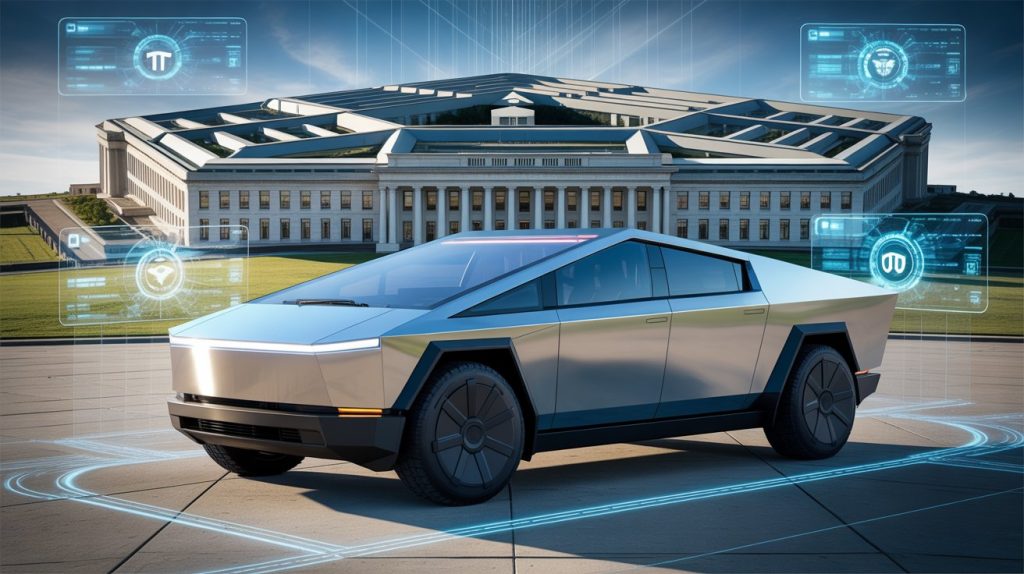
Pentagon Big Tech Tesla Cybertruck. The worlds of defense, technology, and innovation are increasingly intersecting. In recent years, discussions have emerged around the relationship between the United States Department of Defense (commonly known as the Pentagon), major technology companies often referred to as Big Tech, and futuristic vehicles like the Tesla Cybertruck. As advanced technology continues to reshape industries, these connections highlight how modern innovation can influence national security, transportation, and military operations.
This article explores the role of the Pentagon, the influence of Big Tech companies, and how vehicles such as the Tesla Cybertruck fit into the broader conversation about future technology.
The Role of the Pentagon in Technology Development
The United States Department of Defense has long been a major driver of technological innovation. Many everyday technologies—such as GPS, the internet, and advanced computing—were originally developed through military research programs.
Today, the Pentagon continues to invest heavily in emerging technologies, including:
- Artificial intelligence
- Autonomous vehicles
- Cybersecurity systems
- Advanced communications
- Robotics and defense mobility
These investments often involve partnerships with private technology companies.
Big Tech and Government Collaboration
The term Big Tech refers to large technology companies that dominate the digital economy. Companies like Tesla, Inc., along with other major tech firms, play a significant role in shaping the future of transportation, artificial intelligence, and advanced engineering.
Governments around the world frequently collaborate with technology companies to develop solutions that enhance security, logistics, and infrastructure. These collaborations may involve:
- Research partnerships
- Technology testing
- Data and cybersecurity solutions
- Infrastructure development
Such partnerships allow governments to benefit from cutting-edge innovations developed in the private sector.
The Tesla Cybertruck: A Unique Electric Pickup
The Tesla Cybertruck is one of the most talked-about electric vehicles in recent years. Designed by Elon Musk and his team at Tesla, Inc., the Cybertruck features a futuristic design and advanced technology.
Key features of the Cybertruck include:
- Electric powertrain
- Stainless steel exterior body
- High towing capacity
- Long driving range
- Advanced driver-assistance systems
Its unique design and durable body have sparked conversations about potential uses beyond everyday transportation.
Could Vehicles Like the Cybertruck Interest the Military?
While the Cybertruck was designed primarily as a consumer vehicle, some analysts have speculated about how similar electric vehicles might be useful in military or government applications.
Potential advantages include:
Electric Power Efficiency
Electric vehicles reduce reliance on fuel supply chains, which can be vulnerable during conflicts or emergencies.
Durability and Protection
The Cybertruck’s stainless steel exoskeleton is designed for durability, which could theoretically be useful in demanding environments.
Silent Operation
Electric vehicles produce less noise than traditional engines, which could be beneficial in certain tactical situations.
However, it is important to note that consumer vehicles are not automatically suitable for military use without significant modifications.
Big Tech Innovation and Defense Technology
Companies in the technology sector continue to develop innovations that may influence future defense systems. Areas where Big Tech and defense interests overlap include:
- Artificial intelligence for data analysis
- Autonomous vehicles and drones
- Satellite communications
- Advanced computing and cloud services
These technologies are transforming both commercial industries and military capabilities.
Challenges and Ethical Considerations
The collaboration between technology companies and defense organizations can raise important questions.
Ethical Concerns
Some technology employees and researchers have expressed concerns about how advanced technology might be used in military operations.
Security and Data Protection
Working with government agencies requires strict cybersecurity and data protection measures.
Balancing Innovation and Responsibility
Technology companies must balance commercial innovation with ethical and legal responsibilities.
The Future of Technology, Defense, and Transportation
As technology evolves, the lines between consumer innovation and defense applications may continue to blur. Vehicles like the Tesla Cybertruck demonstrate how advanced engineering can inspire discussions about future transportation systems in both civilian and government sectors.
While there is no confirmed large-scale military adoption of such vehicles, the broader trend shows increasing collaboration between governments and technology companies.
Conclusion
The conversation around the Pentagon, Big Tech, and the Tesla Cybertruck reflects a broader shift in how modern technology shapes national security and transportation. With organizations like the United States Department of Defense working alongside innovative companies such as Tesla, Inc., the future of technology is likely to involve deeper cooperation between the public and private sectors.
Although the Tesla Cybertruck was designed for consumers, its futuristic design and electric capabilities highlight how innovation in the private sector can influence discussions about future mobility, defense technology, and global infrastructure.